Carlos Alcaraz: Inside Spain's New Generation of Tennis Champions
When Carlos Alcaraz lifted the US Open trophy as a teenager, he didn't just win a major — he became the youngest man ever to reach the No.
The Teenager Who Rewrote the Record Books
When Carlos Alcaraz lifted the US Open trophy as a teenager, he didn't just win a major — he became the youngest man ever to reach the No. 1 ranking in the history of the ATP computer. That single result reframed men's tennis almost overnight, announcing that the sport's next dominant era might be built not in the usual power centers but in a modest training complex in the Spanish region of Murcia, where Alcaraz grew up playing on the courts his grandfather managed.
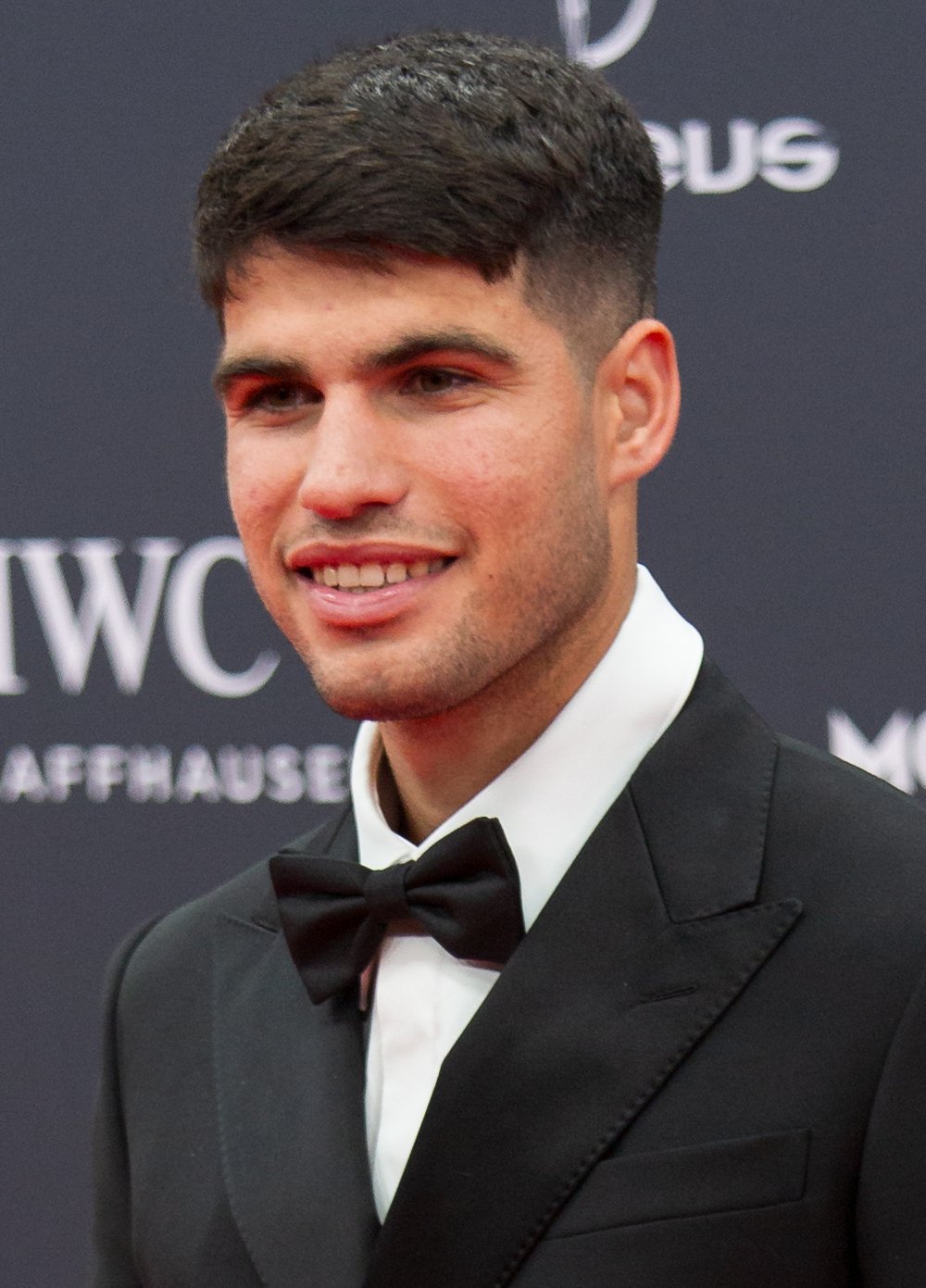
Carlos Alcaraz
Spanish tennis player (born 2003)
Carlos Alcaraz Garfia is a Spanish professional tennis player.
Photo: CC BY-SA 4.0 · Barcex (Wikimedia Commons)
Alcaraz's game is often described as a synthesis of everything that came before him: the physicality and fight associated with Rafael Nadal, the touch and creativity of a serve-and-volley throwback, and a drop-shot repertoire so varied that opponents frequently guess wrong even when they know it's coming. That range is no accident. His coach, former world No. 1 Juan Carlos Ferrero, has built Alcaraz's training around shot variety rather than a single dominant weapon, arguing that unpredictability is what separates a great player from a truly historic one. The two work together at the JC Ferrero Equelite Sport Academy in Villena, a small town in Alicante that has quietly become one of the sport's most productive development pipelines.
What Makes Him Different — and Why Spain Keeps Producing Champions
Alcaraz's most statistically unusual trait is surface versatility. Most eras have a clay specialist, a grass specialist, and a hard-court specialist; Alcaraz has won major titles on all three surfaces, including a hard-fought Roland Garros final and consecutive Wimbledon championships. His matches against Jannik Sinner have already produced some of the sport's longest and most closely contested Grand Slam finals, reflecting a broader shift in men's tennis toward younger, more athletic players who blend baseline power with old-school net skills.
"He plays like he's been watching tapes of every generation at once — Nadal's legs, someone else's hands, and a calm that has nothing to do with his age." — a common refrain among coaches on the ATP circuit
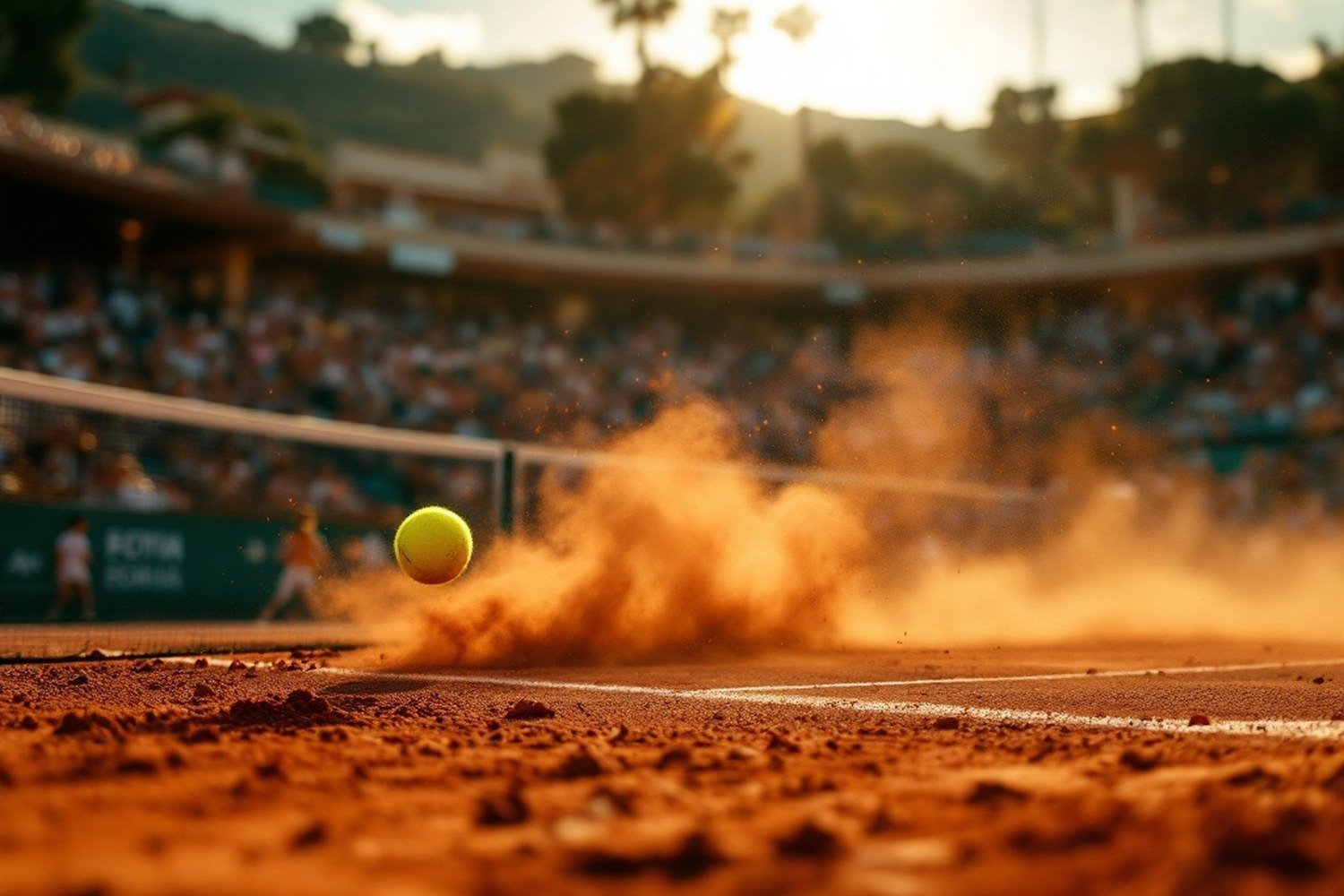
Alcaraz is also part of a broader wave of Spanish talent that suggests the country's tennis infrastructure, built on clay-court academies and a culture of physical, high-intensity training, continues to produce elite players well beyond the Nadal generation. Aspiring players and fans who want to understand the "Spanish style" often point to a few consistent traits: heavy topspin generated from a low center of gravity, exceptional lateral movement drilled through hours on slower clay courts, and a mental approach that treats long, physical rallies as an advantage rather than a burden. For recreational and competitive players looking to borrow from this style, coaches typically recommend starting with footwork drills on clay or clay-like surfaces, since the surface naturally teaches sliding, recovery, and shot tolerance that translate well to any court.
Playing tip inspired by the Spanish academy system: rather than drilling winners, practice extending rallies by one extra shot at a time — the discipline that underlies Alcaraz's ability to problem-solve mid-match rather than force errors.
What keeps analysts most interested in Alcaraz's trajectory is not simply the trophy count but the age at which he's accumulating it, combined with a training philosophy explicitly built for longevity — rotating intensity, prioritizing movement mechanics, and treating variety of shot-making as insurance against the physical toll of a long career. Whether or not he ultimately matches the sport's all-time records, his rise has already reshaped how the next generation of Spanish juniors are being coached, with academies across the country now emphasizing the same blend of clay-court fundamentals and shot creativity that turned a kid from Murcia into a multiple-major champion before he turned twenty-two.